Zive ECG
Wearable Holter Monitor
7-day Continuous Cardiac Monitoring Device | CE Medical Certified | Mass Production
Project Overview
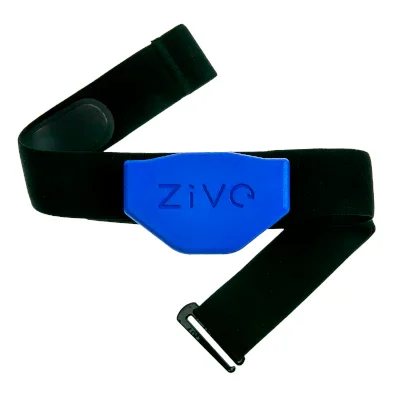
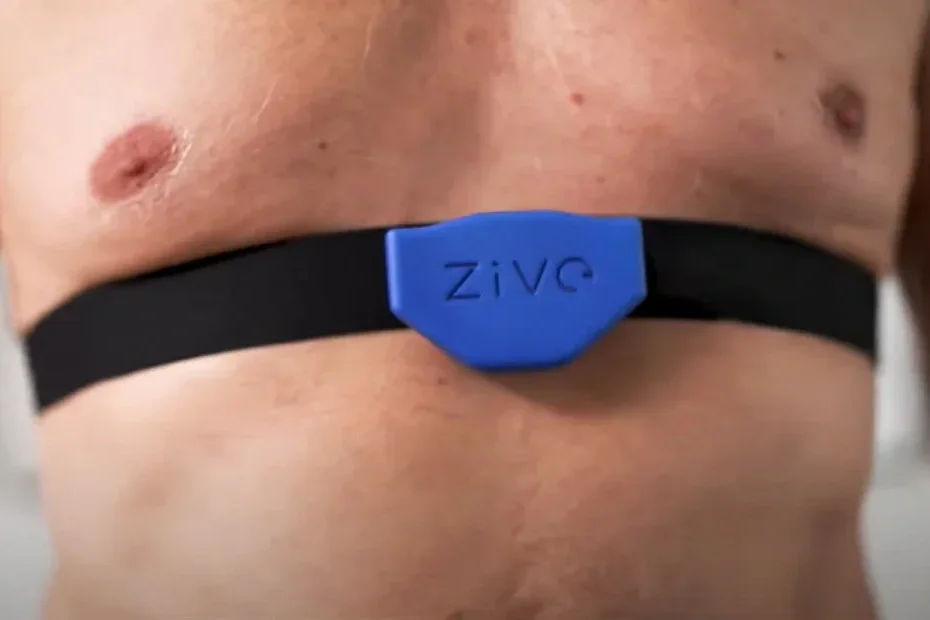
Wearable ECG monitoring device designed for continuous 7-day heart signal recording under real-world usage conditions.
My Role:
Mechanical enclosure and internal architecture design
PCB, battery, charging system, and electrode integration
Silicone protective sleeve and docking/charging station
Manufacturing drawings, tolerances, assembly instructions, and production tooling
Mechanical testing and iterative refinement
Key result:
Reliable 7-day battery life in a compact wearable form
Successfully passed CE medical certification
Transitioned from prototype to mass production
Design constraints and performance requirements
Compact and comfortable form factor with large battery capacity
Long-term skin contact
Sweat and splash resistance
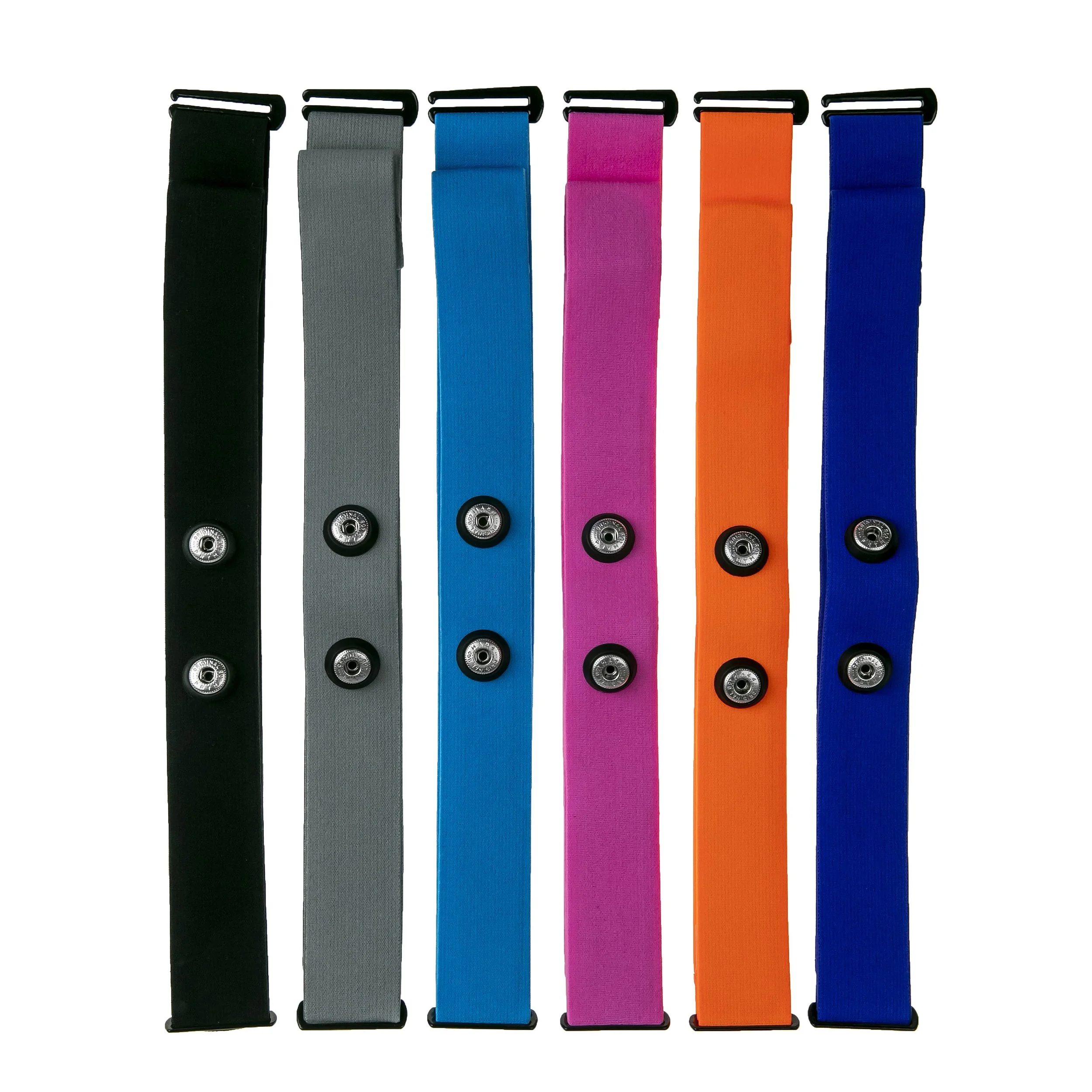
Reliable ECG signal acquisition
Foolproof, user-friendly charging station
Compliance with CE medical requirements
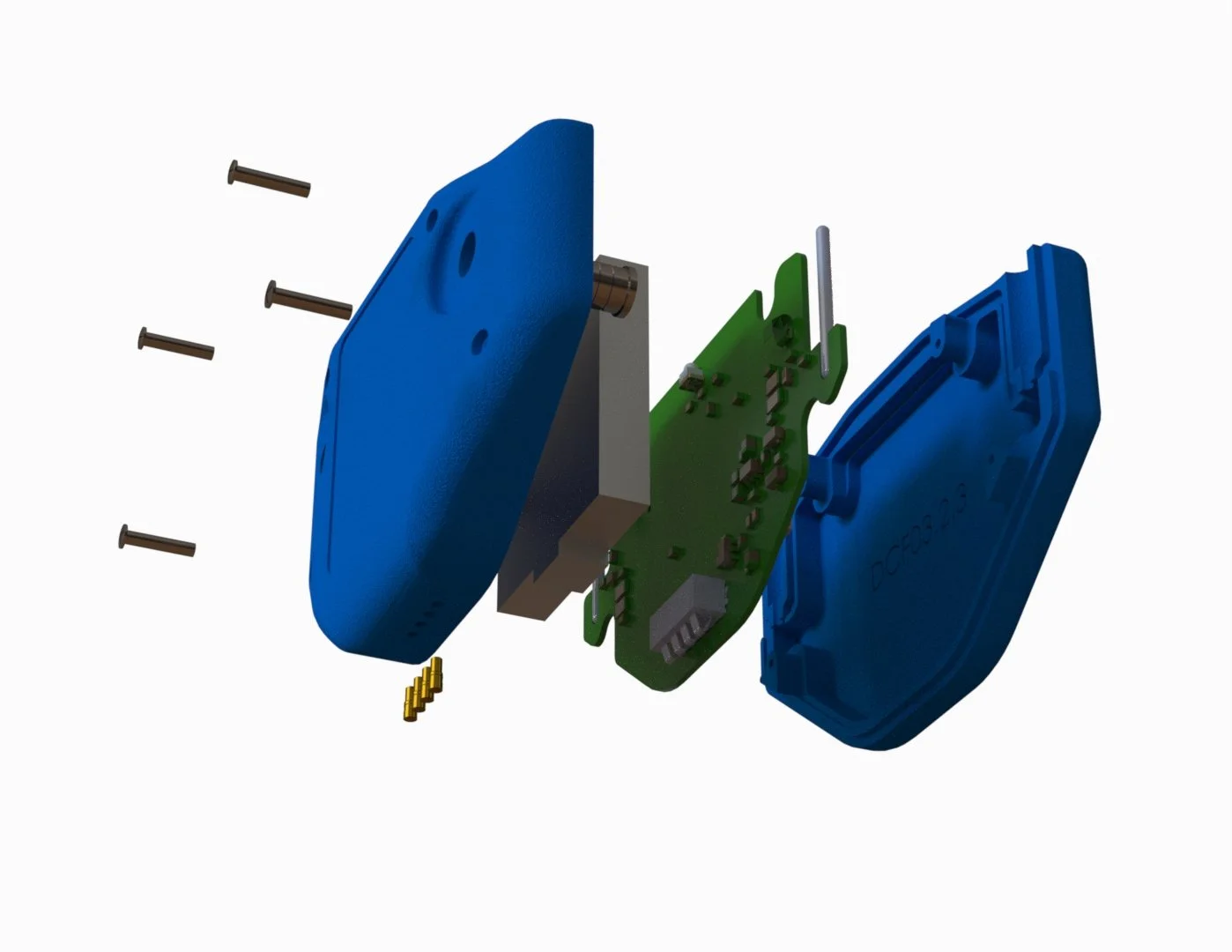
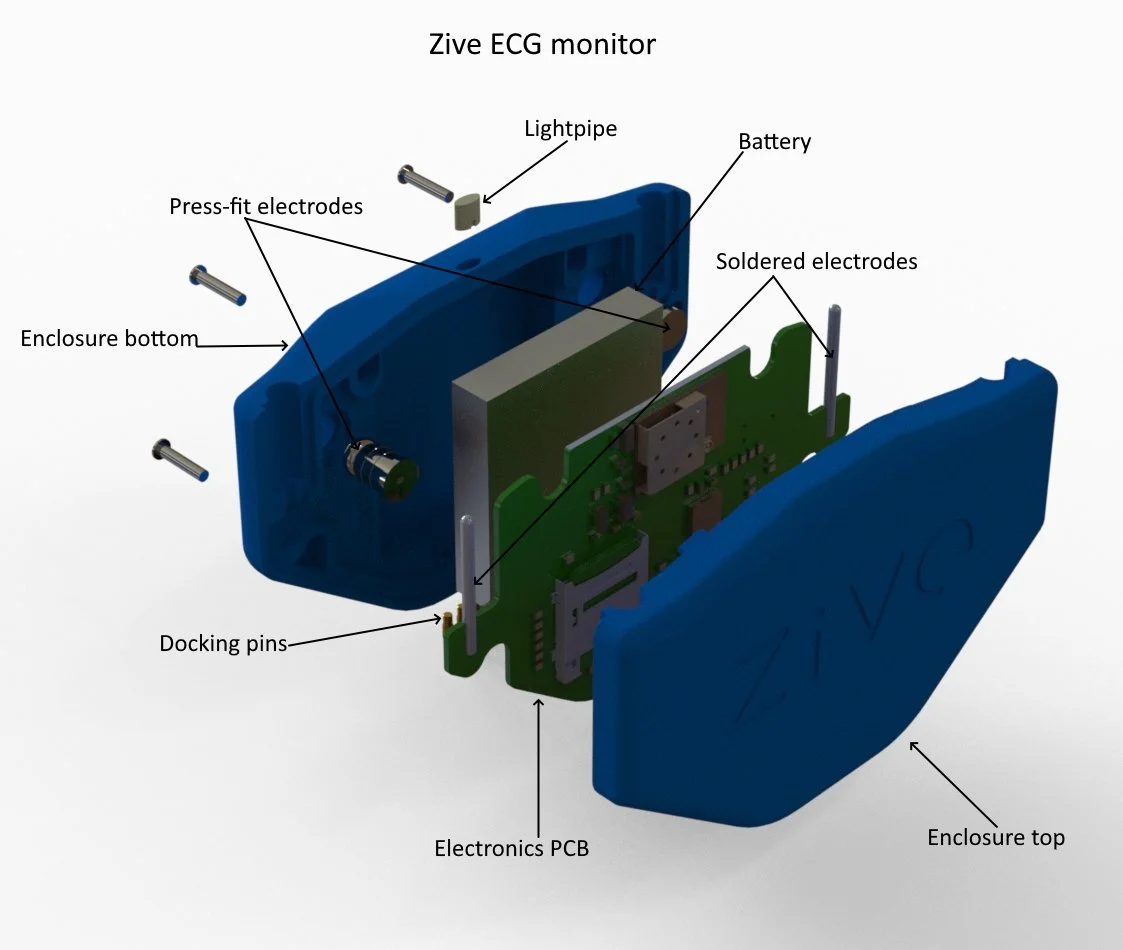
device Breakdown
Engineering challanges
Compact size with larger battery capacity
Early concepts using dual CR2032 coin cells couldn’t deliver the required runtime. I redesigned the internal layout around a larger rechargeable battery while keeping the device compact and comfortable.
Multiple iterations optimized positioning of the PCB, WiFi module, SD card, and charging connector — improving space efficiency, reducing signal interference, and maintaining wearing comfort. The final architecture achieved stable 7-day operation.
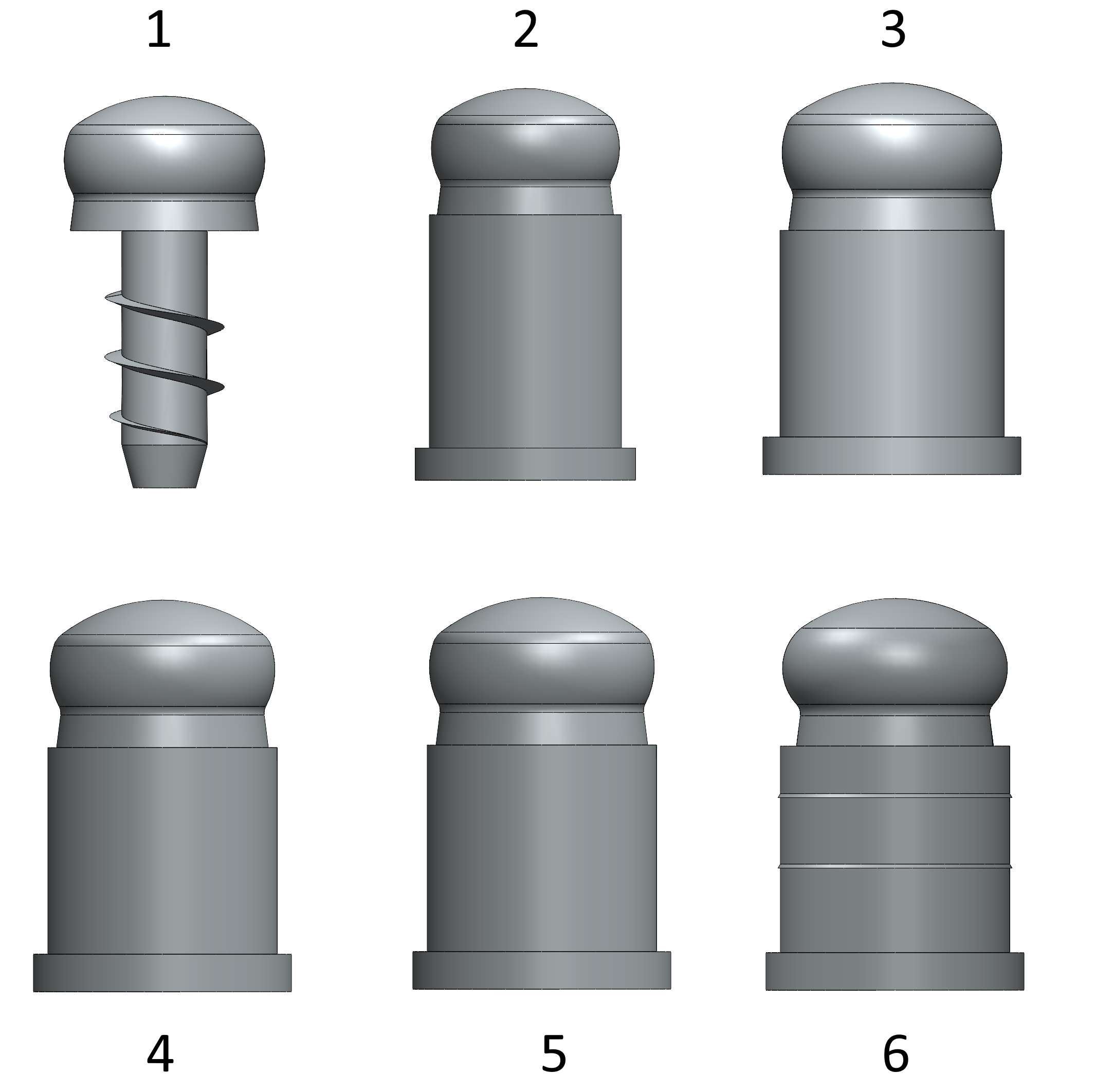
Custom press-fit electrode inserts
Developed reliable press-fit electrodes for consistent electrical contact and repeatable assembly. Tested multiple geometries and tolerances to balance insertion force, retention strength, and manufacturability without damaging the enclosure.
Enclosure design iterations
Electrode insert iterations
Insert section cut
Sealing geometry and surfaces
Thickened walls and crush-zone tests
Mold for 5mm sleeve
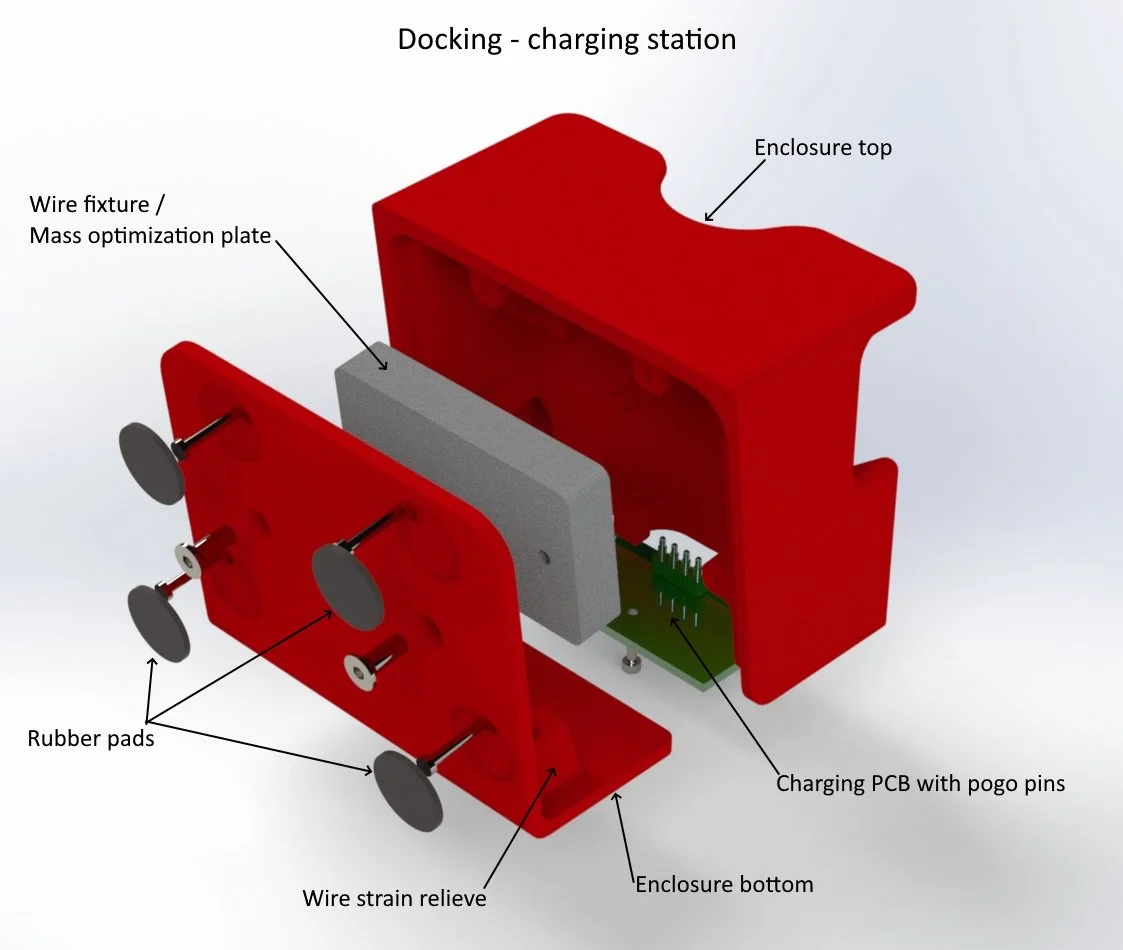
Charging station section cut
Wire fixture / mass optimization plate
The Zive ECG is now in mass production and actively used for continuous heart monitoring.
This project deepened my experience in medical device development, precision tolerance management, press-fit assemblies, and balancing user comfort with strict certification and manufacturing requirements
Tools Used: SolidWorks (modeling & drawings) | Various manufacturing processes (CNC, FDM, SLA, silicone molding)
Sealing and durability for certification
The enclosure geometry was optimized to improve impact resistance and sealing reliability while maintaining compact wearable dimensions and user comfort.
Structural reinforcement features were integrated to reduce stress concentrations and protect internal electronics during repeated handling and drop events. Sealing interfaces were refined to improve resistance against sweat and splash exposure during prolonged real-world use.
Final durability performance was enhanced through a custom silicone protective sleeve that improved impact absorption and overall device protection.
Protective silicone case
Final Outcome & Takeaways
A custom silicone sleeve was developed to improve impact resistance during durability and certification testing without significantly increasing enclosure size or wall thickness.
The solution improved protection of critical enclosure regions during drop events while maintaining charging accessibility and compact wearable dimensions.
Silicone molding and assembly integration considerations were incorporated during development.
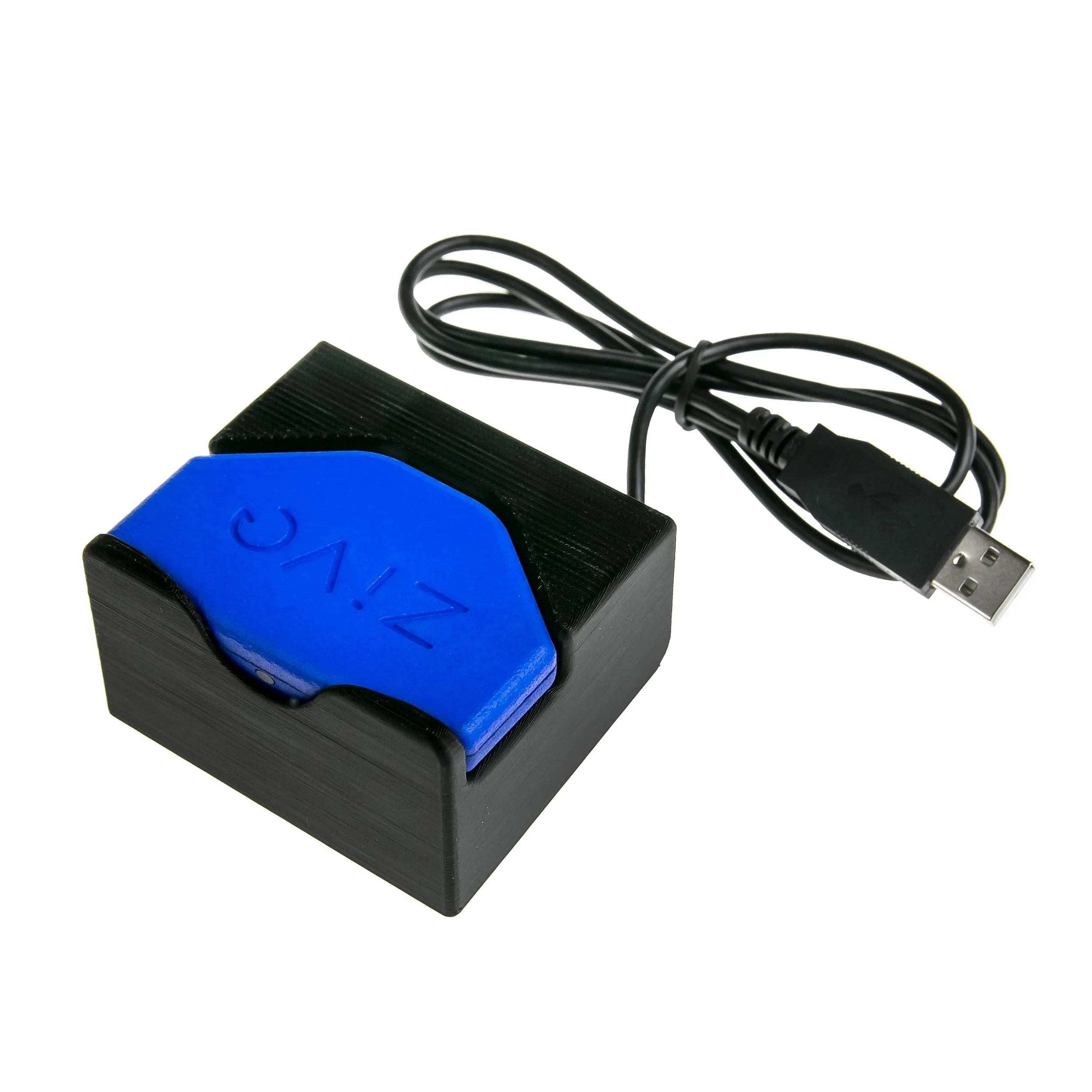
Docking - Charging station
Designed a reliable charging station
Key issues solved:
Tight tolerances → difficult insertion and pin stress
Loose tolerances → risk of reverse (backwards) insertion damaging electronics
Low mass → unstable during one-handed use
Final solution: Optimized tolerances + asymmetric geometry to prevent reverse insertion + internal steel mass plate for better stability and easier one-handed operation.
Production line tooling
Custom tooling was developed for repeatable press-fit electrode insertion during production assembly.
The fixture design improved alignment consistency, reduced assembly variation, and minimized risk of enclosure damage during installation.